In the evolving landscape of software licensing, businesses face numerous challenges in maintaining compliance while optimizing operational efficiency. Tools like kms pico have emerged as potential solutions to some, albeit controversially. Understanding how to navigate these tools and the compliance challenges associated with them is crucial for any organization. As technology continues to advance, companies must remain vigilant about how they manage their software assets and ensure that they do not inadvertently fall into non-compliance traps.
Understanding KMS Pico and Its Functionality
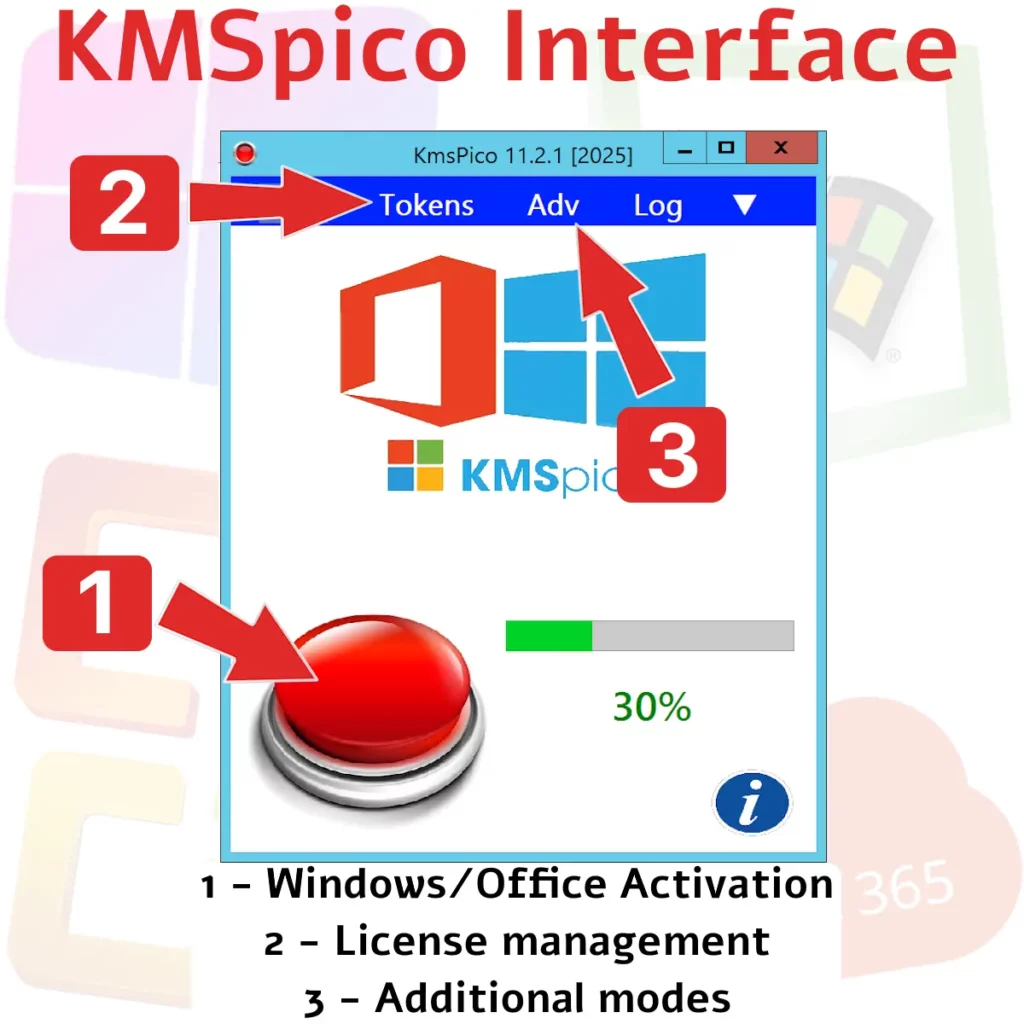
KMS Pico is a software tool designed to activate Microsoft products like Windows and Office without requiring an official license key. Primarily known as a kms windows activator, it automates the activation process by emulating a Key Management Service (KMS) environment locally on your machine. This capability makes it attractive to users who seek quick solutions to activation issues without undergoing the formal licensing process. However, understanding the intricacies of how kms pico operates is critical for users who may not be fully aware of its implications.
The Role of KMS in Product Activation
Key Management Service (KMS) is a legitimate infrastructure component used by organizations to manage network licensing. It allows enterprises to activate systems within their networks without connecting each one individually to Microsoft. While kms pico mimics this service, using it can lead to non-compliance with licensing agreements. The convenience offered by such tools must be weighed against the potential for violations of terms and conditions set forth by software vendors.
KMS Pico: A Double-Edged Sword
The use of kms pico, especially when viewed from a compliance perspective, presents both opportunities and significant risks. On one hand, it offers a convenient solution for activating software at scale; on the other hand, it can bypass legitimate licensing methods, potentially leading to legal consequences. Organizations need to assess whether the short-term benefits outweigh the possible long-term repercussions in terms of reputation and financial penalties.
Compliance Implications of Using KMS Pico
Deploying kms pico or similar tools without understanding their implications can lead to severe penalties. Organizations must consider not only the immediate benefits but also the long-term risks associated with such practices. Compliance teams should develop robust frameworks that account for all aspects of software management and ensure that any tool used aligns with corporate policies and legal requirements.
Legal Risks and Penalties
Using tools like kms pico may violate software licensing agreements and intellectual property laws. Companies risk incurring fines that can reach up to $150,000 per infringement and potential legal action from software vendors. The financial impact can be devastating, particularly for smaller businesses operating on tight budgets. Furthermore, legal battles can drain resources and divert attention away from core business activities. Explore effective strategies for navigating licensing compliance challenges by visiting the official website https://kmspico.lc/ for comprehensive guidance.
Audits and Operational Risks
Software audits are becoming increasingly common as vendors seek to protect their intellectual property rights. If an audit finds that kms pico has been used improperly, the company might face additional scrutiny and financial penalties. Preparing for possible audits involves maintaining detailed records of all software licenses and activations.
Strategies for Ensuring Compliance
To navigate the complexities posed by tools such as kms pico while staying compliant, businesses must adopt robust strategies encompassing both technology management and legal oversight. Implementing comprehensive compliance programs ensures that all employees understand their roles in maintaining adherence to licensing agreements.
Leveraging Legitimate KMS Solutions
Instead of relying on unofficial tools, organizations should consider setting up a legitimate KMS server. Using commands like dism /online /enable-feature /featurename:NetFx3 /All, IT managers can configure genuine service infrastructures that ensure compliance without risking the integrity of their operations. By investing in official KMS setups, companies can safeguard against unauthorized activations while gaining peace of mind regarding compliance status.
Comprehensive License Management
A well-defined license management strategy helps track software usage across an organization accurately. This strategy should include regular audits, usage tracking, and proper documentation of all activations using authorized methods rather than kms pico alternatives. Keeping meticulous records aids in quickly addressing any discrepancies that arise during vendor inquiries or internal reviews.
Investing in Training and Awareness
An informed workforce is less likely to resort to unauthorized methods like kms pico. Regular training sessions on compliance policies and potential risks associated with infringement can mitigate these issues significantly. Employees should be equipped with knowledge about legal ramifications as well as best practices for handling software installations responsibly.
The Future of Activation Utilities
The emergence of new activation utilities continues to challenge traditional compliance frameworks. As such tools evolve—including options like kmspico 2025—it’s essential that businesses adapt accordingly. Staying abreast of technological advancements enables organizations to make informed decisions about which tools align with their operational goals without compromising legal standing.
The Rise of Cloud-Based Licensing Models
The shift towards cloud services necessitates adaptive licensing models. Cloud providers offer integrated solutions that reduce reliance on local activators such as kms pico by providing seamless activation experiences directly through their platforms. These models often include automatic updates and built-in compliance checks that simplify management tasks for IT departments.
Virtualization and Security Considerations
In virtual environments, maintaining compliance involves more than just avoiding illegal activators like kms pico. For example, when deploying VMs with 2 vCPUs and 4 GB RAM, businesses must ensure each instance is correctly licensed under its respective agreements.
- Snapshot Management: Ensure snapshots are taken post-license activation to maintain compliance continuity during rollbacks or migrations.
- Resource Allocation: Correctly allocate resources within VM environments to prevent accidental non-compliance due to misconfigurations affecting license counts.
- Security Protocols: Implement robust security measures that protect against unauthorized access or modifications which could invalidate licenses inadvertently.
- Regular Updates: Keep all virtualization software updated with the latest patches to prevent vulnerabilities that could lead to non-compliance scenarios.
Conclusion: A Balanced Approach to Compliance
Navigating the complexities of software licensing requires a balanced approach between leveraging technology solutions like legitimate KMS servers and maintaining strict adherence to legal standards. While tools such as kms pico offer immediate operational benefits, they pose significant compliance risks that could outweigh these advantages in the long run.
By staying informed about evolving trends in license activation technologies and implementing strategic oversight measures, organizations can safeguard against potential pitfalls while maximizing their technological investments effectively. Achieving this balance ensures not only regulatory compliance but also fosters trust among stakeholders who rely on ethical business practices.
Leave a Reply